‘Non ridere, non lugere, neque detestari, sed intelligere.’
“Not to laugh, not to lament, not to curse, but to understand.”
—Spinoza
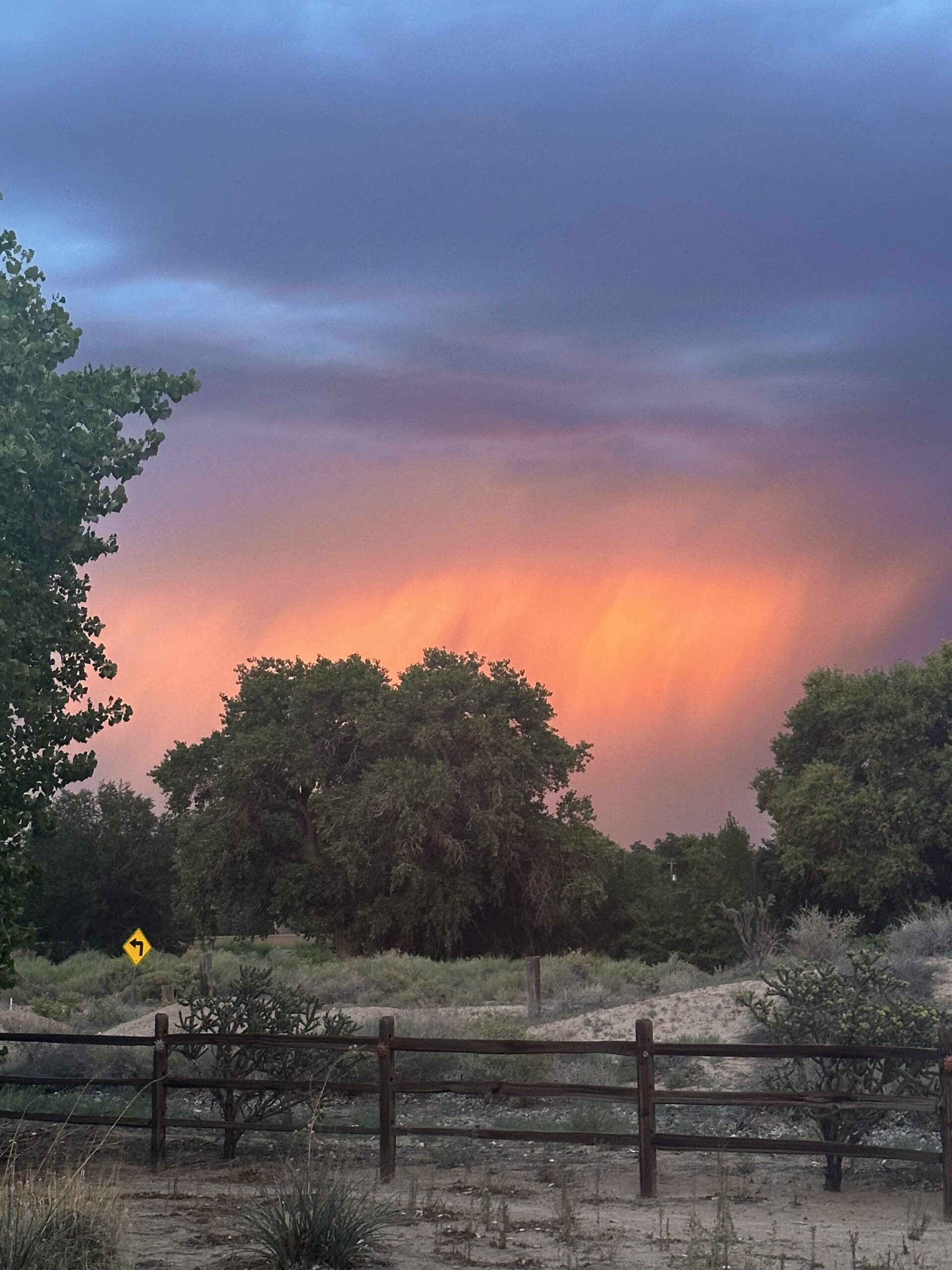
Photo by Lars Panaro
My Approach to Philosophy
Philosophy, as I practice it, is not a body of knowledge to be learned but a way of inquiring that supports growth, creativity, and deepening our inherently meaningful connections to life. It is less concerned with acquiring the right answers than with cultivating the narratives that already speak to your heart, and with clearing away the ones that no longer do, all so that that mysterious something more to life that opaquely haunts our immediate preoccupations can shine forth resplendently.
This is why I don’t ‘teach’ philosophy so much as philosophize with you — not facts about philosophy to be learned, but philosophical thinking itself, done together. In India genuine philosophical inquiry for the purpose of connecting with the great mystery is called ātmavicāra, self-inquiry — where “Self” (ātman) gestures towards both the individual and the universal simultaneously, so that inquiring into one is already inquiring into the other. Philosophy, done in the spirit of genuine inquiry, opens up both individual and universal in the same gesture; it is both psychological and ontological simultaneously.
About the Website Name (Dia-noia)
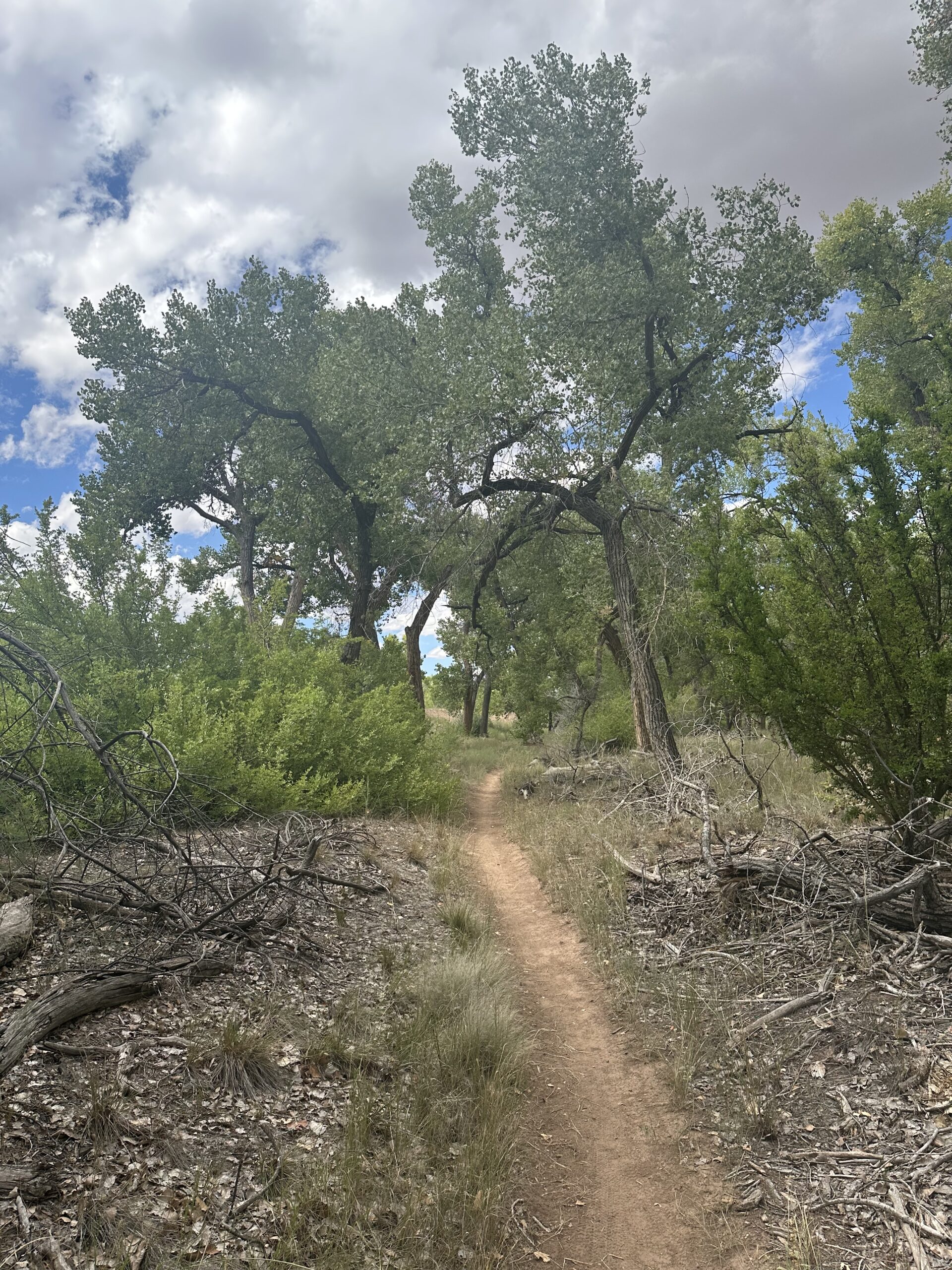
Photo by Lars Panaro
Dia-noia is a Greek term meaning “thinking/understanding” (noia) “through” (dia). I chose it because I see my approach to philosophy as thinking-through the problems and questions of life to connect more deeply to ourselves and the meaningfulness at play in existence that often remains obscured, rather than to find definitive answers.
Metaphorically dia-noia is ‘walking through (dia) the pathways of thinking’ (noia). I write the term with a dash (as dia-noia) to mark that this thinking-through is never truly solitary. It happens through relationship — through dialogue — which is also why I differentiate my use of the word from its narrower technical meanings in the ancient Greek philosophers. The dash indicates the space of connection that opens up between those conversing.
Philosophy and What It Is Not
Philosophy, as I practice it, is not a psychiatric diagnostic tool and neither does it treat psychiatric disorders. It addresses what might be called the problems of living — the pain, confusion, and searching that belong to being alive at all, whether or not any of it rises to the level of a clinical concern. Where psychology often looks for causes in the past or the unconscious, philosophy examines the narratives and reasoning alive in you right now, in the present tense, for their soundness and their meaning, and thus traces their impact upon your spiritual-mental-emotional wellbeing.
Some of what I offer draws on more specific tools and trainings — Logic-Based Therapy & Consulting, Astrology, and Tarot — and if you’re curious how any of those fit into this work, I’ve written more about each of them elsewhere on this site. But philosophy itself is the ground that everything I do stands upon and is in service of: the commitment to inquire courageously, to think rather than merely repeat, and to trust that meaning is something drawn out of a life, not merely handed to it from outside.
Religion, Psychology, and Occultism (additional streams I draw from in my work)
All human beings are religious, whether they realize it or not. Many great minds have discussed this at length, and I don’t aim here to treat this subject in any great depth. Studying religious texts and myths from a great variety of traditions has helped me understand both myself and others in unique ways. As a result, I am comfortable philosophizing in a specific theological or religious context — if you are a follower of a particular religious or spiritual tradition, I recognize that this matters to your philosophical and personal journey, and I’m fully able to sit with you in that world and see how things fit together. This doesn’t mean our discussions will avoid sensitive topics around religious belief, but that those topics are explored within the context of the tradition that they — and you — sit within, rather than artificially extracted and divorced from it.
The study of human nature and the mind or soul began with the great philosophers of antiquity, and eventually, much later, psychology became its own independent discipline. Psychology is therefore the child of philosophy — a child that stays remarkably close to its parent, though it likes to give the appearance (not unlike an adolescent) of radical independence. But the child has much to offer the parent too, such that both are radically deepened by one another. I draw quite a lot from psychology, especially from thinkers who exhibit keenly philosophical and investigative minds — Carl Jung, Otto Rank, Dane Rudhyar, Roberto Assagioli, Erich Fromm, and Medard Boss are among my personal favorites. I also draw heavily on Ernest Becker’s The Denial of Death.
I am no occultist in the sense that term is typically understood — I don’t engage in ceremonial magical practices, or crafting and wearing magical talismans. Instead, I regard occultism as the study of the hidden or esoteric nature of whatever is being considered. Occult means “hidden,” though “non-obvious” might be the better connotation. In this capacity, I’ve long been a student of Theosophy, particularly the work of H.P. Blavatsky and those who stayed close to her teachings. I have also studied Jewish Kabbalah, Trika Shaivism, Esoteric Buddhism, and the works of Sri Aurobindo for a long while.